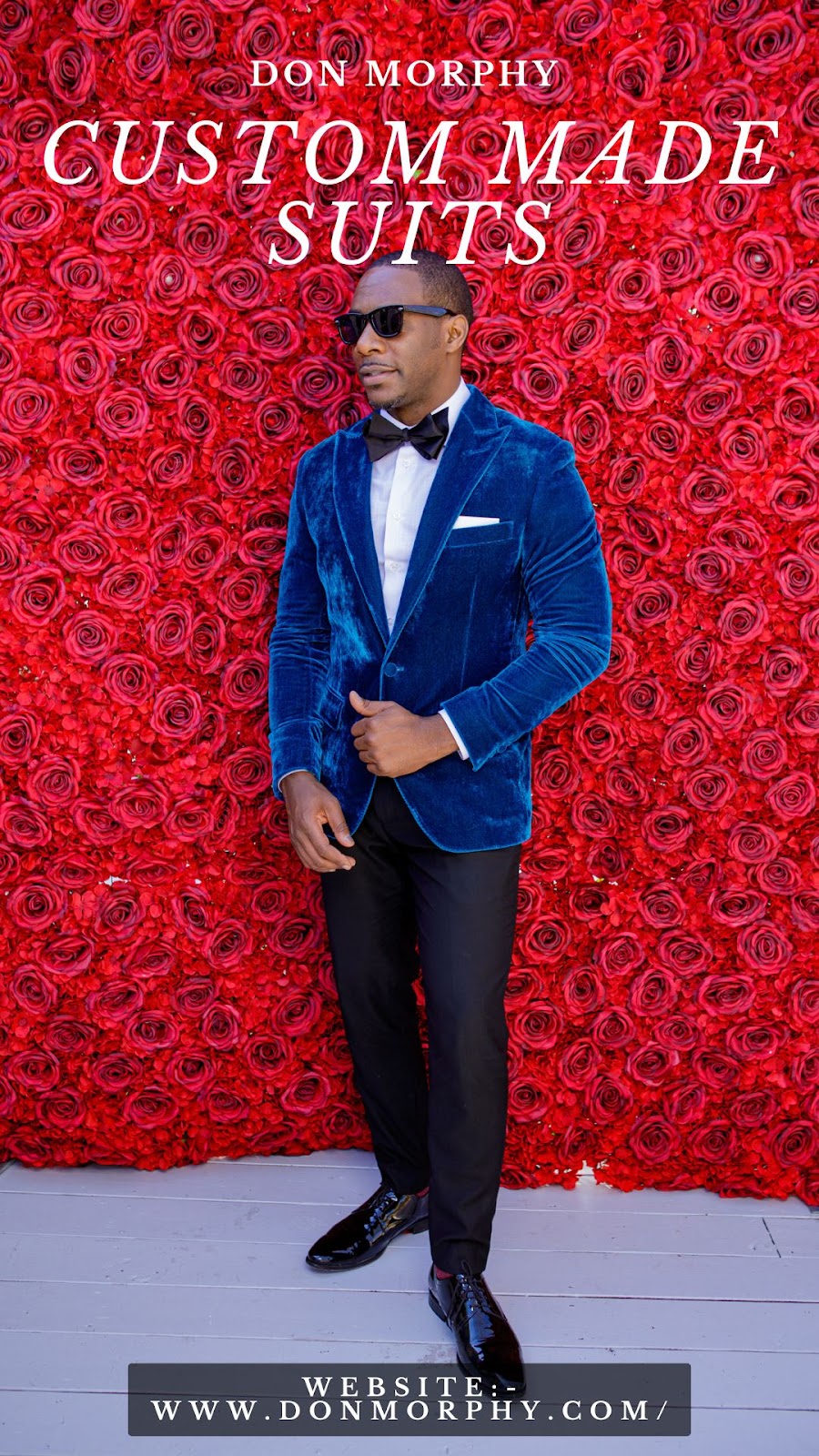
The Ultimate Guide to Buy Men's Custom Suits: Tailored Elegance at Its Best
In the world of men’s fashion, nothing spells sophistication quite like
a custom suit. Unlike off-the-rack options, a custom suit provides a perfect
fit, reflecting personal style while offering unparalleled comfort. Whether
you’re dressing for a wedding, an important business meeting, or simply want to
elevate your everyday attire, a custom suit is an investment that will pay off
for years to come. In this comprehensive guide, we’ll explore everything you
need to know about buy men’s custom suits, from choosing
fabrics to the tailoring process and how to ensure you get the perfect fit.
Why Choose a Custom
Suit?
Before diving into the specifics, let’s first explore why you should
choose a custom suit over a ready-made option. The allure of custom suits lies
in several key areas:
- Perfect Fit: No matter how expensive a ready-made suit
is, it won’t compare to the comfort and fit of a custom suit. With a
custom suit, measurements are taken down to the millimeter to ensure it
contours perfectly to your body.
- High-Quality Fabrics: When you opt
for a custom suit, you can choose from a variety of fabrics, often much
higher in quality than what’s available in off-the-rack suits.
- Personalization: A custom suit gives you the opportunity to
express your personal style. From lapel style to pocket details, you get
to choose the details that align with your preferences.
- Longevity: High-quality materials and expert
craftsmanship translate to a suit that will last for years, making it a
long-term investment.
- Unique Style: Whether you have specific design ideas or
want something different from what’s trending, a custom suit is tailored
to your personal style, making it truly one-of-a-kind.
Understanding
Customization: The Process of Buying a Custom Suit
The process of buying a custom suit is quite different from walking into
a store and picking one off the rack. Here’s what will happen step by step:
1. Initial
Consultation and Measurements
The journey of buying a custom suit begins with an initial consultation.
During this meeting, you will discuss your preferences, occasion, and style
with the tailor or stylist. They will take detailed measurements, including
your chest, shoulders, arms, waist, legs, and even posture. The goal is to
understand your body shape and design a suit that will fit perfectly.
While many traditional tailors still rely on in-person consultations,
some modern tailoring services have embraced technology, offering online
measurement guides or virtual consultations. However, nothing beats an
in-person fitting to ensure absolute accuracy.
2. Choosing Fabrics
Once your measurements have been taken, the next step is choosing your
fabric. This is where you can truly personalize your suit. Fabrics come in a
wide range of textures, colors, and weights. Some popular choices include:
- Wool: The most common fabric for suits, known for
its versatility and breathability. It works well for all seasons and is
ideal for both formal and casual settings.
- Cotton: Light and airy, great for summer suits.However,
cotton doesn’t have the same drape as wool, and it tends to wrinkle more
easily.
- Linen: Another great summer option, linen is
extremely lightweight but wrinkles easily. Linen suits are often chosen
for outdoor events or casual settings.
- Cashmere: Luxurious and soft, but it can be pricey.
Cashmere suits are typically reserved for cooler weather due to their
warmth.
- Blends: Some fabrics are blended to offer the best
of both worlds, combining durability and breathability. A wool-silk blend,
for instance, provides the refinement of silk and the practicality of
wool.
When choosing your fabric, it’s important to consider the occasion and
the climate. For example, if you need a suit for a summer wedding, a
lightweight, breathable fabric like linen or cotton might be ideal. For colder
months or more formal occasions, wool or cashmere would be better options.
3. Selecting the
Style and Details
Custom suits offer a wide array of stylistic choices. From lapels to
buttons, pocket styles, and lining, you can create a suit that’s completely
tailored to your taste. Here are some of the key elements you’ll need to decide
on:
- Lapel Style: The three most common lapel styles are
notched, peaked, and shawl. A notched lapel is classic and versatile,
while a peaked lapel is more formal and can create a bold, powerful look.
A shawl lapel is typically reserved for tuxedos and formal evening wear.
- Jacket Length and Fit: Do you
prefer a more classic, full-length jacket or something modern and cropped?
The length of your jacket will determine its overall style and how it
complements your body shape. Slim-fit jackets create a sharp, contemporary
look, while a traditional fit offers a more relaxed feel.
- Button Configuration: The most
common options are single-breasted (usually with two or three buttons) or
double-breasted. Single-breasted suits are more versatile and easier to
style, while double-breasted suits offer a more formal and
vintage-inspired aesthetic.
- Pocket Design: There are several pocket styles to choose
from, including flap pockets, patch pockets, and jetted pockets. Flap
pockets are the most common and add a subtle detail to the suit, while
jetted pockets offer a cleaner, more minimalist look.
4. Fitting and Adjustments
Once your suit is ready, you’ll have a fitting session to try it on.
This is where adjustments are made to ensure the perfect fit. The jacket should
sit snugly on your shoulders without being tight, the trousers should break at
the right place over your shoes, and the sleeves should show a sliver of your
dress shirt cuff.
Expect one or two fittings to get everything just right. Good tailors
will make minor adjustments to ensure the suit fits you like a second skin.
This is the most important step in the process, as it ensures the investment
you’ve made in a custom suit pays off in both style and comfort.
Conclusion
A custom suit is more than just a piece of clothing; it’s an investment
in style, comfort, and confidence. With the right tailor, the perfect fabric,
and an eye for detail, you can create a suit that not only fits you perfectly
but also reflects your personal style. Whether it’s your first custom suit or
one of many, the experience of having something made just for you is
unparalleled.